
Winter brings cozy sweaters, warm drinks, and beautiful scenery — but it also brings one of the biggest challenges for hair: dryness, breakage, frizz, and loss of moisture. Cold temperatures outside and dry indoor heating can weaken hair, irritate the scalp, and make your strands look dull and lifeless.
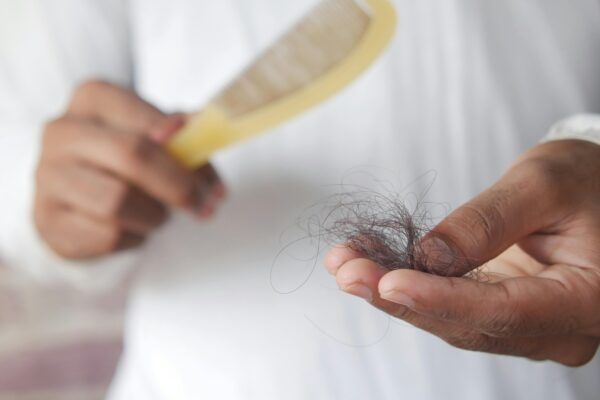
Cold weather affects your hair and scalp in several ways:
Low humidity outside pulls moisture out of your hair
Indoor heating dries the air even more, causing dehydration
Sudden temperature changes weaken hair cuticles
Wearing hats and scarves causes friction, frizz, and static
Hot showers strip natural oils your hair needs for protection
This combination leads to:
Dry, brittle hair
Split ends
Increased hair shedding
An itchy, flaky scalp
Dull or frizzy appearance
Understanding the cause is the first step to keeping your hair healthy all winter.
Choose sulfate-free products that hydrate the hair without stripping natural oils. Look for ingredients like:
Aloe vera
Shea butter
Argan oil
Coconut milk
Glycerin
These help retain moisture and reduce dryness.
Washing your hair every day removes essential oils, making winter dryness worse.
Recommended:
2–3 times per week (depending on your hair type)
Use a gentle cleanser or co-wash between washes if needed
Less washing = more natural moisture.
Winter hair needs extra nourishment. A weekly deep conditioner or hair mask can:
Strengthen your strands
Reduce frizz
Improve elasticity
Restore moisture
For best results, leave the mask on for 10–20 minutes.
Natural oils seal moisture and protect your hair from winter dryness.
Great winter oils include:
Argan oil
Olive oil
Almond oil
Coconut oil
Jojoba oil
Massage the oil onto your scalp and ends for better hydration.
Blow dryers, straighteners, and curling irons increase dryness. If possible:
Let hair air-dry partially before blow-drying
Use the cool setting
Always apply a heat protectant spray
Less heat = healthier, smoother hair.
Covering your hair helps prevent moisture loss, but choose materials that won’t cause friction.
Best: Silk or satin-lined hats
Avoid: Rough wool directly on hair
This reduces breakage, tangles, and frizz.
Hot water strips your scalp and hair of natural oils.
Use warm water, not hot, when washing your hair — your hair will retain more moisture.
A healthy scalp = healthy hair.
During winter, try using:
A gentle scalp scrub
A hydrating scalp serum
Light oil massage (once a week)
This helps reduce itchiness, dryness, and flakiness.
Cold weather makes split ends worse.
A trim every 6–8 weeks helps maintain smooth, healthy-looking hair.
Winter dehydration affects hair too.
Support healthy hair by drinking enough water and eating:
Nuts (almonds, walnuts)
Avocado
Eggs
Salmon
Dark leafy greens
Nutrition is a key part of maintaining strong, moisturized winter hair.
Indoor heating dries the air. A humidifier adds moisture back into your environment — great for your hair and skin.
These reduce breakage and help hair dry faster.
Prevents moisture loss and eliminates friction that causes frizz.

Winter can be harsh on your hair, but with the right habits, you can keep your strands soft, shiny, and deeply moisturized throughout the cold months. From conditioning treatments to protective routines, these small steps make a big difference in maintaining healthy, beautiful hair all winter long.
Take care of your hair this season, and it will reward you with strength and shine — even on the coldest days.
Behind the word mountains, far from the countries Vokalia and Consonantia, there live the blind texts they live
©2025.Doofine. All Rights Reserved.