free statistics

Hearty Chicken and Vegetable Stew

When the cold winter months settle in, nothing warms the body and soul quite like a bowl of rich, homemade stew. This Hearty Chicken and Vegetable Stew is the perfect blend of comfort, nutrition, and deep flavor—an ideal dish for cozy nights, family dinners, or weekly meal prep. Packed with lean protein, colorful vegetables, and warming herbs, this stew is both satisfying and nourishing.

If you’re looking for a winter meal that is simple to prepare, budget-friendly, and full of health benefits, this recipe is a must-try.


🥣 Why This Stew Is Perfect for Winter

Winter is the season when the body needs warming, nutrient-dense meals that promote immunity, energy, and comfort. This stew checks all the boxes:

✔️ High in protein

Chicken provides essential amino acids needed for strength and immunity.

✔️ Packed with winter vegetables

Carrots and potatoes deliver fiber, vitamins, and long-lasting energy.

✔️ Hydrating and nourishing

Broth-based meals help support hydration during cold weather, when many people forget to drink enough fluids.

✔️ Perfect for meal prep

This recipe stores well, tastes even better the next day, and is freezer-friendly.

✔️ Comforting without being heavy

A balanced alternative to many rich winter dishes.


🍗 Ingredients

  • 1 lb chicken breast or thighs, cooked and shredded

  • 2 tbsp olive oil

  • 1 large onion, chopped

  • 3 cloves garlic, minced

  • 3 carrots, sliced

  • 3 medium potatoes, cubed

  • 1 cup frozen peas

  • 4 cups chicken broth

  • 1 cup water

  • 2 tbsp tomato paste

  • 1 tsp dried thyme

  • 1 tsp dried rosemary

  • Salt and pepper to taste

  • Fresh thyme or parsley (for garnish)


🔥 How to Make Hearty Chicken and Vegetable Stew

1. Sauté the Aromatics

Heat the olive oil in a large pot over medium heat.
Add the chopped onion and cook for about 5 minutes, until softened and translucent.
Add the minced garlic and cook for 1 minute more, stirring often until fragrant.

This step builds the foundation of flavor for the entire dish.


2. Add Vegetables and Broth

Add the sliced carrots and cubed potatoes.
Pour in the chicken broth and water.
Stir in the tomato paste, thyme, rosemary, salt, and pepper.

Bring everything to a boil, then reduce heat.
Simmer uncovered for 20 minutes, or until the vegetables are tender.

The slow simmer allows the herbs to release their aroma and the vegetables to fully absorb the broth.


3. Add Chicken and Peas

Stir in the shredded cooked chicken and frozen peas.
Let the stew simmer for 5–10 minutes until heated through and well combined.

The chicken becomes extra tender, and the peas add a light sweetness and bright color.


4. Serve and Enjoy

Ladle the stew into bowls, garnish with fresh thyme or parsley, and serve hot.
Pair with crusty bread, homemade biscuits, or a light winter salad.


🕒 Recipe Summary

  • Prep Time: 10 minutes

  • Cook Time: 35 minutes

  • Total Time: 45 minutes

  • Servings: 6

  • Calories: ~300 per serving

Perfect for families, meal prep lovers, or anyone craving a nutritious winter dish.


❤️ Health Benefits of This Stew

🌿 Boosts Immunity

Chicken, garlic, and vegetables provide essential vitamins to support immune function in winter.

🥕 Excellent Source of Fiber

Carrots and potatoes help digestion and promote long-lasting fullness.

🍗 High-Protein & Balanced

Great for muscle repair, energy, and stable blood sugar.

💧 Helps Hydration

The broth provides electrolytes and warmth, ideal for cold-weather hydration needs.


❄️ Why You Should Add This Dish to Your Winter Menu

This Hearty Chicken and Vegetable Stew is more than a recipe—it’s an experience of warmth and comfort. With powerful nutritional value and incredible flavor, it’s a dish your readers will return to all season long.


Why Hot Cocoa Is More Than a Treat: Surprising Health Benefits You Should Know

Introduction

During winter, nothing feels more comforting than wrapping your hands around a warm mug of rich, silky hot cocoa. It’s the drink of childhood memories — snowy nights, cozy blankets, and holiday flavors. But beyond being a nostalgic winter treat, hot cocoa offers surprising science-backed health benefits that many people don’t know about.

Modern researchers have discovered that high-quality cocoa is packed with antioxidants, minerals, and mood-enhancing compounds that can support your heart, brain, skin, immunity, and overall well-being. When prepared the right way, hot cocoa isn’t just delicious — it can actually be good for you.

This article reveals why hot cocoa deserves a place in your winter routine and how to enjoy it in the healthiest possible way.

hot chocolate, drink, dairy, winter, milk, sweet, cocoa, hot, beverage, warm, tasty, cacao, brown, glass, hot chocolate, hot chocolate, hot chocolate, hot chocolate, hot chocolate

1. Hot Cocoa Is Loaded With Powerful Antioxidants

Pure cocoa powder is one of the richest natural sources of flavonoids, especially epicatechin and catechin. These antioxidants help:

  • Fight free radical damage

  • Reduce inflammation

  • Protect cells from aging

  • Support heart and brain function

  • Boost immunity during winter

In fact, cocoa contains more antioxidants than:

  • Green tea

  • Black tea

  • Most berries

  • Red wine

This makes hot cocoa one of the easiest — and tastiest — ways to get a daily dose of protective nutrients.


2. Supports Heart Health and Circulation

Winter is known to raise blood pressure and cause poor circulation due to colder temperatures. The flavonoids in cocoa help:

  • Relax blood vessels

  • Improve blood flow

  • Support healthy blood pressure

  • Reduce stiffness in arteries

Studies show that regular consumption of high-flavonoid cocoa can significantly enhance cardiovascular health.

This means your cozy winter drink is actually helping your heart stay strong all season long.


3. Enhances Mood and Reduces Stress

Hot cocoa has natural mood-boosting compounds such as:

Phenethylamine (PEA)

Improves focus, calmness, and mental clarity.

Theobromine

A gentle stimulant found in cocoa that increases energy without causing jitteriness.

Serotonin-boosting tryptophan

Promotes relaxation and emotional well-being.

Combined with the comforting warmth of a winter cup, cocoa can help:

  • Reduce anxiety

  • Improve mood

  • Ease stress

  • Enhance overall mental health

No wonder hot cocoa is known as the world’s happiest drink.

Hands holding a warm mug indoors with soft bokeh lights, creating a cozy winter atmosphere.

4. Helps Boost Immunity in Winter

Cold weather weakens the immune system, making us more vulnerable to colds, flu, and infections. Hot cocoa contains compounds that support immune function, including:

  • Antioxidants (reduce cellular stress)

  • Magnesium (key for immune cells)

  • Vitamin C, if combined with citrus or certain toppings

  • Flavonoids (help immune cells communicate better)

A warm mug of cocoa can be a comforting and supportive way to help your body fight seasonal illnesses.


5. Supports Brain Function and Memory

Cocoa improves blood flow not only to the heart — but to the brain as well. This can help:

  • Enhance focus

  • Improve memory

  • Increase learning ability

  • Support long-term brain health

Some studies suggest that regular consumption of cocoa flavonoids may even help slow cognitive decline with age.

This is especially useful during winter months when mental energy often drops due to low sunlight and shorter days.


6. Hot Cocoa Can Be Good for Your Skin

Dry winter air can cause dehydration, dullness, and irritation. Cocoa’s antioxidants help protect and repair skin from:

  • Dry weather

  • Pollution

  • Inflammation

  • UV damage (even in winter)

When prepared with milk or plant-based alternatives rich in vitamin E, hot cocoa becomes a skin-loving drink that promotes:

  • Hydration

  • Elasticity

  • Natural glow

Cocoa also stimulates endorphins, which can indirectly improve skin health by reducing stress.


7. Provides Essential Minerals Your Body Needs in Winter

Cocoa is naturally rich in important minerals such as:

  • Magnesium

  • Iron

  • Zinc

  • Copper

  • Potassium

These minerals play a role in:

  • Muscle relaxation (useful for winter tension)

  • Nerve function

  • Red blood cell production

  • Immune strength

  • Electrolyte balance

Winter often leads to mineral deficiencies because people eat fewer fruits and vegetables. Hot cocoa helps fill the gap.


How to Make Hot Cocoa Healthy

Not all hot cocoa is equal. Store-bought packets are usually full of:

  • Sugar

  • Artificial flavors

  • Additives

To enjoy the health benefits, use real cocoa powder (unsweetened) and natural ingredients.

Healthy Hot Cocoa Base Recipe

  • 1–2 teaspoons unsweetened cocoa powder

  • Warm milk or a plant-based alternative (oat, almond, coconut)

  • 1–2 teaspoons honey or maple syrup

  • A pinch of cinnamon or vanilla

Optional winter boosters:

  • Cinnamon (anti-inflammatory)

  • Turmeric (immune support)

  • Ginger (digestion)

  • Dark chocolate pieces

  • Maca powder for energy

This transforms your drink into a nutritious winter blend.


Healthy Benefits vs. Regular Hot Chocolate

Most people confuse hot cocoa with hot chocolate.

Hot Cocoa

  • Made from cocoa powder

  • Lower in fat

  • Higher in antioxidants

  • Usually healthier

Hot Chocolate

  • Made from melted chocolate

  • Higher in sugar and fat

  • Still delicious, but less healthy

Your article focuses on hot cocoa, which is the healthier option.

Conclusion

Hot cocoa is far more than a comforting winter drink — it’s a powerful source of nutrients, antioxidants, and mood-boosting compounds that can support your body during the coldest months of the year. When made with real cocoa and healthy ingredients, it becomes a warm, nourishing beverage that can improve your heart health, brain function, skin, immunity, and overall well-being.

A simple cup of cocoa can truly transform your winter routine — deliciously and naturally.

Why Sweet Potatoes Are the Ultimate Winter Superfood

Close-up of crispy sweet potato wedges topped with rosemary, perfect for a healthy snack.

Introduction

As temperatures drop and winter settles in, your body naturally craves warmth, nourishment, and foods that support immunity, energy, and overall well-being. Among all the seasonal ingredients available, sweet potatoes stand out as one of the most powerful winter superfoods. Affordable, delicious, and incredibly nutrient-dense, sweet potatoes offer a combination of health benefits that few vegetables can match.


Freshly prepared mini pizzas with toppings on a baking tray, ready to bake.

What Makes Sweet Potatoes a Winter Superfood?

Sweet potatoes aren’t just a comfort food—they’re a nutritional powerhouse. Their natural sweetness, vibrant color, and rich nutrient profile make them especially beneficial during colder months when the body needs extra support.

Here’s why they shine:


1. Packed With Immunity-Boosting Nutrients

Winter is flu season—and sweet potatoes come loaded with vitamin A, vitamin C, and powerful antioxidants that help strengthen the immune system.

Vitamin A (beta-carotene)

  • Protects the respiratory system

  • Supports healthy skin (your first defense against infections)

  • Supports immune cell production

Vitamin C

  • Helps the body fight viruses

  • Reduces inflammation

  • Speeds up recovery

Together, these nutrients create a strong winter defense shield.


2. Provide Long-Lasting Warmth & Energy

Cold weather often makes your body use more energy to stay warm. Sweet potatoes are rich in:

  • Complex carbohydrates

  • Fiber

  • Slow-releasing natural sugars

This combination gives your body a steady, long-lasting source of energy, preventing the fatigue and sluggishness many people experience during winter.


3. Excellent for Gut Health

Overeating heavy winter foods can cause bloating, constipation, or digestive discomfort. Sweet potatoes support healthy digestion because they contain:

Dietary fiber (soluble & insoluble)

  • Supports regular bowel movements

  • Feeds good gut bacteria

  • Reduces inflammation

  • Improves nutrient absorption

A healthy gut = a stronger immune system, making sweet potatoes a double-benefit food.


4. Promote Healthy Skin During Harsh Winter Months

Winter air is dry, cold, and harsh on skin. Sweet potatoes can help protect and repair skin from the inside out.

They contain:

  • Beta-carotene → converts to vitamin A for cell repair

  • Vitamin E → supports hydration

  • Collagen-boosting vitamin C

Regular consumption can improve:
✔ Skin dryness
✔ Redness
✔ Cracking
✔ Overall texture


5. Support Healthy Blood Sugar Levels

Despite their sweetness, sweet potatoes have a low glycemic index, meaning they do not cause rapid spikes in blood sugar.

This makes them ideal for:

  • Weight management

  • People with insulin resistance

  • Diabetics (in controlled amounts)

  • Stable winter energy

Their fiber content slows digestion, helping maintain balanced blood sugar throughout the day.


6. Rich in Anti-Inflammatory Compounds

Winter often worsens inflammation, joint stiffness, and body aches. Sweet potatoes contain:

  • Choline

  • Anthocyanins (in purple sweet potatoes)

  • Beta-carotene

These help reduce:

  • Swelling

  • Muscle aches

  • Joint pain

  • Inflammation from winter cold exposure

They’re especially helpful for people with arthritis or chronic inflammation.


7. Support Heart Health When Cold Weather Increases Blood Pressure

Cold temperatures can elevate blood pressure. Sweet potatoes contain:

  • Potassium — relaxes blood vessels

  • Magnesium — reduces stress and muscle tightness

  • Fiber — helps lower cholesterol

Eating sweet potatoes regularly during winter can promote better cardiovascular health.


How to Enjoy Sweet Potatoes in Winter (Delicious Ideas)

1. Roasted Sweet Potatoes

Simple, warming, caramelized.
Top with cinnamon, olive oil, or herbs.

2. Sweet Potato Soup

Creamy, cozy, perfect for cold nights—especially with ginger or coconut milk.

3. Baked Sweet Potato With Winter Spices

Cinnamon, nutmeg, cardamom, and honey pair beautifully.

4. Sweet Potato Mash

A healthy alternative to mashed potatoes.

5. Sweet Potato Fries (Baked)

Crispy, nutritious, and perfect as a side dish.

6. Sweet Potato & Lentil Curry

A protein-rich, warming winter meal.

7. Sweet Potato Smoothie (Warm or Chilled)

Blend with banana, cinnamon, and milk for a nutrient-packed drink.


Tips for Buying & Storing Sweet Potatoes in Winter

Choose the best ones

  • Firm

  • Smooth skin

  • No mold, cuts, or wet spots

Storage

Sweet potatoes store extremely well—another reason they’re a winter favorite.

  • Keep in a cool, dry, dark place

  • Never refrigerate raw sweet potatoes

  • Can last 2–3 weeks stored properly


Nutritional Profile (Per 100g Cooked Sweet Potato)

  • Calories: 86

  • Carbs: 20g

  • Fiber: 3g

  • Vitamin A: 283% DV

  • Vitamin C: 4% DV

  • Potassium: 337mg

  • Antioxidants: High

This makes them one of the most nutrient-dense winter vegetables.

Conclusion

Sweet potatoes are more than a tasty winter side dish—they’re one of the most powerful seasonal superfoods. From boosting immunity and energy to supporting digestion, skin health, and heart function, they offer exceptional value in every bite.

Affordable, versatile, and packed with nutrients, sweet potatoes deserve a permanent spot in your winter menu.

How to Keep Your Hair Healthy and Moisturized in Cold Weather

Winter brings cozy sweaters, warm drinks, and beautiful scenery — but it also brings one of the biggest challenges for hair: dryness, breakage, frizz, and loss of moisture. Cold temperatures outside and dry indoor heating can weaken hair, irritate the scalp, and make your strands look dull and lifeless.

A detailed image showing hair loss with a comb in hand, symbolizing alopecia and related issues.

❄️ Why Winter Damages Your Hair

Cold weather affects your hair and scalp in several ways:

  • Low humidity outside pulls moisture out of your hair

  • Indoor heating dries the air even more, causing dehydration

  • Sudden temperature changes weaken hair cuticles

  • Wearing hats and scarves causes friction, frizz, and static

  • Hot showers strip natural oils your hair needs for protection

This combination leads to:

  • Dry, brittle hair

  • Split ends

  • Increased hair shedding

  • An itchy, flaky scalp

  • Dull or frizzy appearance

Understanding the cause is the first step to keeping your hair healthy all winter.


🌿 Top Tips to Keep Your Hair Moisturized in Winter

1. Use a Moisturizing Shampoo and Conditioner

Choose sulfate-free products that hydrate the hair without stripping natural oils. Look for ingredients like:

  • Aloe vera

  • Shea butter

  • Argan oil

  • Coconut milk

  • Glycerin

These help retain moisture and reduce dryness.


2. Avoid Washing Your Hair Too Often

Washing your hair every day removes essential oils, making winter dryness worse.

Recommended:

  • 2–3 times per week (depending on your hair type)

  • Use a gentle cleanser or co-wash between washes if needed

Less washing = more natural moisture.


3. Apply a Deep Conditioning Treatment Weekly

Winter hair needs extra nourishment. A weekly deep conditioner or hair mask can:

  • Strengthen your strands

  • Reduce frizz

  • Improve elasticity

  • Restore moisture

For best results, leave the mask on for 10–20 minutes.


4. Oil Your Hair Regularly

Natural oils seal moisture and protect your hair from winter dryness.

Great winter oils include:

  • Argan oil

  • Olive oil

  • Almond oil

  • Coconut oil

  • Jojoba oil

Massage the oil onto your scalp and ends for better hydration.


5. Reduce Heat Styling

Blow dryers, straighteners, and curling irons increase dryness. If possible:

  • Let hair air-dry partially before blow-drying

  • Use the cool setting

  • Always apply a heat protectant spray

Less heat = healthier, smoother hair.


6. Protect Your Hair From the Cold

Covering your hair helps prevent moisture loss, but choose materials that won’t cause friction.

Best: Silk or satin-lined hats
Avoid: Rough wool directly on hair

This reduces breakage, tangles, and frizz.


7. Avoid Very Hot Showers

Hot water strips your scalp and hair of natural oils.
Use warm water, not hot, when washing your hair — your hair will retain more moisture.


8. Keep Your Scalp Healthy

A healthy scalp = healthy hair.
During winter, try using:

  • A gentle scalp scrub

  • A hydrating scalp serum

  • Light oil massage (once a week)

This helps reduce itchiness, dryness, and flakiness.


9. Trim Regularly

Cold weather makes split ends worse.
A trim every 6–8 weeks helps maintain smooth, healthy-looking hair.


10. Stay Hydrated and Nourished

Winter dehydration affects hair too.

Support healthy hair by drinking enough water and eating:

  • Nuts (almonds, walnuts)

  • Avocado

  • Eggs

  • Salmon

  • Dark leafy greens

Nutrition is a key part of maintaining strong, moisturized winter hair.


💧 Bonus Tips for Winter Hair Care

❄️ Use a Humidifier at Home

Indoor heating dries the air. A humidifier adds moisture back into your environment — great for your hair and skin.

❄️ Switch to a Microfiber Towel

These reduce breakage and help hair dry faster.

❄️ Sleep on a Satin Pillowcase

Prevents moisture loss and eliminates friction that causes frizz.

A woman with curly hair warmly wrapped in a cozy fur blanket indoors.

🧴 Conclusion

Winter can be harsh on your hair, but with the right habits, you can keep your strands soft, shiny, and deeply moisturized throughout the cold months. From conditioning treatments to protective routines, these small steps make a big difference in maintaining healthy, beautiful hair all winter long.

Take care of your hair this season, and it will reward you with strength and shine — even on the coldest days.

🍯 Honey Lemon Detox Drink – A Powerful Cleanse for Glowing Skin and Better Digestion

For generations, the combination of honey and lemon has been praised as one of the simplest and most effective natural detox remedies. This refreshing drink supports healthy digestion, boosts hydration, and provides your body with a steady dose of antioxidants. Whether you’re starting your morning or recharging mid-day, a honey lemon detox drink can help you feel lighter, more energized, and naturally refreshed.

In this article, you’ll discover the benefits, recipe, best times to drink it, and how it helps your body detox naturally — all backed by safe, Google-Ads-friendly information.

Aesthetic arrangement of a ceramic cup, lemons, and honey dipper for tea preparation.

What Is the Honey Lemon Detox Drink?

The honey lemon detox drink is a warm or cold blend of:

  • Fresh lemon juice

  • Raw or natural honey

  • Warm water

  • Optional additions: ginger, cinnamon, turmeric, mint

This simple mixture is rich in vitamin C, antioxidants, and natural enzymes that support healthy digestion and hydration.


🌿 Top Benefits of the Honey Lemon Detox Drink

1. Supports Healthy Digestion

Lemon juice stimulates digestive enzymes and helps the stomach break down food more efficiently. Honey adds natural enzymes that support smooth and comfortable digestion.

2. Promotes Natural Hydration

The drink helps your body stay hydrated, which is essential for energy, healthy skin, and regular metabolism.

3. Helps Maintain Clearer, More Radiant Skin

Vitamin C in lemon contributes to collagen production and helps protect the skin from oxidative stress. Hydration + antioxidants = a natural glow.

4. A Gentle Morning Cleanse

Unlike harsh detox programs, this drink offers a gentle, natural way to support your body’s daily cleansing processes without restricting food.

5. Boosts Energy Naturally

The combination of honey’s natural sugars and lemon’s refreshing acidity provides a clean, steady energy boost — without caffeine crashes.

6. Helps Freshen Breath Naturally

Lemon helps neutralize odors, and honey’s antimicrobial properties support a fresh, clean mouthfeel.

7. Supports a Balanced Metabolism

Warm water + lemon may help keep your metabolism active, especially when consumed in the morning.


🍋 How to Make the Honey Lemon Detox Drink

Ingredients

  • 1 cup warm water (not boiling)

  • 1 tablespoon fresh lemon juice

  • 1 teaspoon raw or pure honey

  • Optional:

    • 1–2 slices fresh ginger

    • A pinch of cinnamon

    • A pinch of turmeric

    • A few mint leaves

Instructions

  1. Warm your water — it should be hot but not boiling.

  2. Add the lemon juice.

  3. Stir in the honey until fully dissolved.

  4. Add any optional ingredients.

  5. Drink immediately for best nutritional benefits.


🕒 When Is the Best Time to Drink It?

For optimal results, drink it:

1. First Thing in the Morning

Helps wake up your digestive system and start your day hydrated.

2. Before Meals

May help with digestion and controlling cravings.

3. During the Afternoon Slump

A refreshing energy boost without coffee.

4. Before Bed (Warm Version)

The warm version with honey can be calming and soothing in the evening.


🌟 Healthy Variations to Try

🔥 Ginger Honey Lemon Detox

Perfect for digestion and warming the body.

🍃 Mint Honey Lemon Cooler

Refreshing and ideal for hot weather.

Turmeric Honey Lemon Elixir

Adds antioxidant support and beautiful golden color.

🍎 Honey Lemon + Apple Cider Vinegar

A popular morning metabolism drink (use mild amounts for taste).


🧠 Is This Drink Good for Daily Use?

Yes — when made with natural ingredients and enjoyed in moderation, the honey lemon detox drink can be used daily as part of a balanced lifestyle.

It’s safe for:

  • Hydration

  • Supporting digestion

  • Refreshing your body

  • A natural energy boost

Always avoid:

  • Excess lemon (can irritate teeth if overused)

  • Very hot water (can damage honey’s properties)

tea, lemon, drink, glass, fruit, honey, beverage, healthy, tea, tea, honey, honey, honey, honey, honey

📈 Conclusion

The Honey Lemon Detox Drink is one of the easiest and most effective natural beverages for supporting healthy digestion, refreshing your skin, and boosting daily hydration. It’s simple to prepare, budget-friendly, and suitable for all seasons.

Make it part of your morning routine, and enjoy the refreshing, energizing benefits it brings to your day — naturally.

18 Remarkable Health Benefits of Clove Tea: The Ancient Remedy Making a Modern Comeback

A comforting scene of tea being poured into a faith-themed mug, surrounded by spices and cotton flowers.

For centuries, clove tea has been treasured in traditional medicine for its powerful healing properties. Crafted from the dried flower buds of the Syzygium aromaticum tree, this aromatic infusion is now gaining worldwide attention for its wide range of health benefits – from supporting digestion and immunity to promoting clearer skin and better breathing.

Whether you enjoy it as a soothing evening drink or a natural daily wellness booster, clove tea offers far more than flavor. Here are 18 evidence-backed reasons why this simple herbal tea deserves a place in your routine.


1. Natural Relief for Headaches

Cloves are rich in eugenol, a compound known for its mild analgesic and anti-inflammatory properties. A warm cup of clove tea may help ease tension headaches by relaxing tight muscles and improving overall circulation.

2. Supports Healthy Blood Circulation

The active compounds in cloves can help enhance blood flow, promoting better oxygen delivery throughout the body. Many people notice improvements in energy levels, mental clarity, and overall vitality.


3. Helps Clear and Soothe the Respiratory System

Clove tea has natural antibacterial and expectorant qualities. It may assist in loosening mucus, easing coughs, and providing gentle relief from congestion related to colds or allergies. It’s a helpful option for individuals exposed to pollution or smoke.

4. May Boost Metabolism

Some research suggests that cloves can stimulate metabolic activity. Enjoying clove tea before meals may support the body’s natural fat-burning processes when combined with healthy eating and regular exercise.

🍰 Caramel Cream Cheese Pound Cake – A Rich, Velvety Dessert You’ll Love

If you’re searching for the perfect combination of buttery richness, silky cream cheese, and decadent caramel, this Caramel Cream Cheese Pound Cake is a show-stopping dessert guaranteed to impress. With its moist crumb, smooth texture, and irresistible caramel glaze dripping down the sides, this cake is ideal for holidays, celebrations, potlucks, or any time you want a luxurious homemade treat.

This recipe delivers bakery-quality flavor with simple ingredients and straightforward steps—making it accessible for beginners and loved by experienced bakers alike.


⭐ What Makes This Pound Cake Special?

Unlike a traditional pound cake, this version incorporates cream cheese for a velvety, moist texture that stays soft for days. The buttery base pairs perfectly with the sweetness of granulated sugar and the richness of eggs. Topping it all is a glossy caramel glaze that adds depth, shine, and an irresistible finish.

It’s a classic cake elevated with premium flavors—ideal for family gatherings, dessert tables, and gifting.


🛒 Ingredients for the Cake

  • 1 cup unsalted butter, softened
    Provides richness and structure.

  • 8 oz cream cheese, softened
    Creates a moist, creamy crumb.

  • 2 ½ cups granulated sugar
    Sweetens and helps achieve the perfect golden crust.

  • 6 large eggs, room temperature
    Essential for texture and stability.

  • 3 cups all-purpose flour
    Forms the base of the pound cake.

  • 1 tsp baking powder
    Adds a light lift without compromising density.

Optional: vanilla extract, salt, caramel topping, or homemade caramel glaze.


👩‍🍳 How to Make the Caramel Cream Cheese Pound Cake

1. Prepare Your Pan and Oven

  • Preheat your oven to 325°F (165°C).

  • Grease and flour a Bundt pan or tube pan to prevent sticking.

2. Cream the Butter, Cream Cheese, and Sugar

  • Using a stand mixer, beat softened butter and cream cheese until smooth and fluffy.

  • Add sugar gradually and continue mixing until the mixture becomes pale and airy.
    This step is key for achieving the perfect pound cake texture.

3. Add the Eggs

  • Add eggs one at a time, mixing well after each addition.

  • Scrape the bowl to ensure even blending.

4. Mix in Dry Ingredients

  • Sift flour and baking powder together.

  • Gradually add to the wet mixture on low speed.

  • Mix only until combined—do not overmix.

5. Bake to Perfection

  • Pour the batter evenly into the prepared pan.

  • Bake for 70–85 minutes, or until a toothpick inserted into the center comes out clean.

  • Allow the cake to cool for 10 minutes in the pan before transferring to a rack.


🍮 Add the Caramel Glaze

Once the cake is cool, drizzle a generous amount of caramel sauce over the top.
You can use:

  • Homemade caramel

  • Store-bought caramel topping

  • Salted caramel for a flavor twist

Let the caramel drip naturally down the sides for a beautiful presentation.


💡 Tips for the Best Pound Cake

  • Use room-temperature ingredients for smooth blending.

  • Don’t rush the creaming process—airiness = a lighter crumb.

  • Bake at a lower temperature for an even rise and moist center.

  • Allow the cake to rest before slicing to maintain structure.


🎉 Perfect for Any Occasion

This Caramel Cream Cheese Pound Cake is:

✔ Moist and buttery
✔ Elegant enough for celebrations
✔ Easy to make with pantry staples
✔ Loved by kids and adults alike

Whether served with coffee, topped with whipped cream, or enjoyed on its own, it’s always a crowd-pleaser.

⭐ Creamy Fruit Salad Recipe – A Refreshing, Irresistible Treat 😋🤤

If you’re looking for a quick, delicious, and colorful dessert or snack, this Creamy Fruit Salad is the perfect choice. Packed with fresh fruits like mango, pineapple, and kiwi, this salad combines natural sweetness with a rich and silky cream base. It’s ideal for parties, Ramadan iftar, family gatherings, or simply as a refreshing treat on a warm day.


🥗 What Makes This Creamy Fruit Salad Special?

This fruit salad isn’t just tasty—it’s nutritious, refreshing, and incredibly easy to prepare. The combination of tropical fruits and creamy dressing creates a balance of textures and flavors that everyone loves.
Mango adds natural sweetness and a buttery texture.
Pineapple brings a juicy, tangy kick.
Kiwi contributes a fresh, slightly tart flavor that balances the sweetness beautifully.


🛒 Ingredients (Serves 2–3)

  • 🥭 1 cup mango cubes (150 g)
    Sweet, juicy, and vibrant.

  • 🍍 1 cup pineapple chunks (150 g)
    Adds refreshing acidity and crunch.

  • 🥝 1 kiwi, sliced
    Provides color contrast and a touch of tartness.

Optional additions:

  • Fresh raspberries or strawberries

  • Grapes or pomegranate seeds

  • Cream, yogurt, or condensed milk for extra richness

  • Nuts like almonds or pistachios for crunch


👩‍🍳 How to Make Creamy Fruit Salad

  1. Prepare the fruits:
    Wash, peel, and cut the mango, pineapple, and kiwi into bite-sized pieces.

  2. Combine in a bowl:
    Place all the fruits into a large mixing bowl.

  3. Add the cream layer:
    You may use:

    • Whipped cream

    • Greek yogurt

    • Thick fresh cream

    • A mix of cream + condensed milk for extra sweetness

  4. Mix gently:
    Coat the fruits evenly without mashing them.

  5. Chill before serving:
    Refrigerate for at least 20–30 minutes for the flavors to blend perfectly.


🍨 Serving Suggestions

  • Serve in a glass bowl or dessert cups for an elegant look.

  • Add a drizzle of honey if you prefer extra sweetness.

  • Top with mint leaves for freshness.

  • Sprinkle nuts for extra crunch.


💡 Why You’ll Love This Salad

✔ Quick and easy
✔ Perfect for any season
✔ Kids-friendly
✔ Healthy and nutrient-rich
✔ Beautiful presentation for guests

How to Naturally Eliminate Dust Mites and Bedbugs from Your Mattress

A Cleaner, Healthier Mattress: Natural Ways to Eliminate Dust Mites & Bedbugs

A fresh and hygienic sleeping environment is essential for maintaining good health. Unfortunately, mattresses can easily become home to dust mites and bedbugs—two common household pests that trigger allergies, skin irritation, and restless nights. Below is a complete guide to understanding why these pests appear and how to eliminate them naturally using safe, eco-friendly methods like baking soda, steam, essential oils, and more.

What Are Dust Mites and Bedbugs?

Dust Mites

  • Dust mites are microscopic organisms that flourish in warm, humid spaces.

  • They feed on dead skin cells from humans and pets, making mattresses, carpets, and pillows ideal habitats.

  • While they don’t bite, their droppings can trigger allergic reactions such as sneezing, itchy skin, watery eyes, and even asthma flare-ups.

Bedbugs

  • Bedbugs are tiny, reddish-brown insects that feed on human or animal blood while you sleep.

  • They hide in seams, cracks, mattress folds, and furniture crevices.

  • Their bites result in red, itchy welts and can cause anxiety, stress, and disturbed sleep.


How Do These Pests Enter Your Mattress?

Dust Mites

  • Accumulation of dead skin cells on bedding

  • Humid indoor conditions

  • Infrequent washing of linens

  • Poor ventilation in sleeping areas

Bedbugs

  • Traveling on luggage, clothing, or secondhand furniture

  • Spreading from neighboring apartments or rooms

  • Bringing in uninspected thrift items


Natural Methods to Eliminate Dust Mites & Bedbugs


1. Baking Soda (Sodium Bicarbonate)

Baking soda is one of the most effective natural remedies for both dust mites and bedbugs. It has strong dehydrating and antibacterial properties, making your mattress less hospitable for pests.

How Baking Soda Works

  • Absorbs moisture, drying out dust mites and bedbugs

  • Neutralizes odors caused by droppings and bacteria

  • Penetrates deep into fabrics and cracks where pests hide

  • Offers mild antibacterial benefits, helping prevent mold and mildew

How to Use It

  1. Sprinkle a generous amount of baking soda over your mattress.

  2. Let it sit for 2–3 hours (or longer for best results).

  3. Vacuum thoroughly using a HEPA filter vacuum.

  4. Repeat every 1–2 weeks for continuous protection.


🌿 Natural Insect-Repellent Spray

This simple, eco-friendly spray can help repel bedbugs, dust mites, ants, fruit flies, and other household pests.

Ingredients

  • 1 cup white vinegar

  • 1 cup water

  • 10 drops peppermint essential oil
    (You can substitute eucalyptus or lavender)

  • 1 tablespoon baking soda

  • Optional: 1 teaspoon liquid Castile soap

Instructions

  1. Combine water and vinegar in a spray bottle.

  2. Add baking soda slowly to avoid fizzing over.

  3. Add essential oils and soap.

  4. Shake gently.

How to Use

  • Spray corners, baseboards, around furniture, windows, and door frames.

  • For fruit flies: spray around drains and fruit bowls.

  • For bedbugs: spray mattress seams, edges, cracks, and surrounding areas daily.


2. Essential Oils

Certain essential oils have powerful natural insect-repellent properties.

Best Oils

  • Tea tree oil

  • Eucalyptus oil

  • Lavender oil

  • Peppermint oil

How to Use

  1. Mix 10–15 drops of essential oil with 1 cup of water.

  2. Spray lightly over your mattress (avoid soaking).

  3. Allow the mattress to fully dry before adding bedding.


3. Steam Cleaning

High heat kills dust mites, bedbugs, and even their eggs.

How to Use

  • Use a handheld steam cleaner to cover the mattress surface.

  • Concentrate on seams, edges, and crevices.

  • Allow the mattress to dry completely before use.


4. Diatomaceous Earth (DE)

Diatomaceous Earth is a natural, non-toxic powder made from fossilized algae. It works by dehydrating pests without harmful chemicals.

Why Use DE?

  • Safe for humans and pets

  • Effective at killing dust mites, bedbugs, fleas, and ants

  • Works in cracks, seams, and fabric fibers

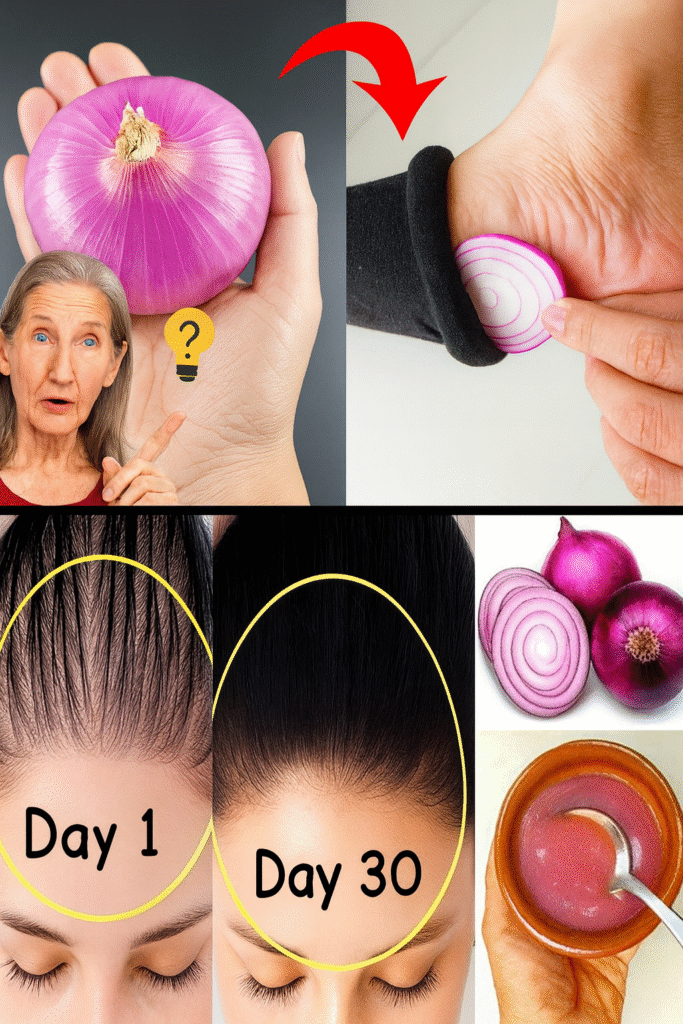
14 Ingenious Ways Onions Can Improve Your Health at Home

Did you know that many adults over 40 start noticing changes in how energized, strong, and resilient they feel?

Now imagine slicing into a fresh onion, the scent instantly filling your kitchen — a simple reminder that everyday foods can offer surprising wellness benefits.

Before we dive in, rate your current sense of vitality from 1 to 10.
Got your number?

If you’re over 30, you’ve probably experienced those annoying little issues — stiffness, low energy, or feeling “off” for no clear reason. What if one humble kitchen staple could support your well-being in unexpected ways?

Stay with me as we explore 14 fascinating, practical ways onions can contribute to a healthier lifestyle. Some of these will truly surprise you.


The Overlooked Impact of Everyday Wellness Struggles

As we move through our 40s, it’s common to feel shifts in our energy, comfort, and overall balance. Maybe it’s more frequent colds, lingering aches, or just feeling less vibrant than before.

A lot of people turn to quick fixes — trendy supplements, restrictive diets, or over-the-counter remedies — but these often miss the bigger picture: long-term habits and simple, natural ingredients can make a difference too.

When was the last time you checked in with your overall wellness on a 1–5 scale?
If you’ve been feeling a bit worn down, don’t worry — there are gentle, natural approaches that may help you feel more supported.


Way #1: Using Onion Juice as a Comfort Boost for the Immune System

Ever had that feeling that a cold might be coming on?
Many people use onion-based home remedies as a traditional way to support comfort during seasonal changes.

Onions contain natural antioxidants, including quercetin, which is widely known for its protective properties. Some people mix small amounts of diluted onion juice into warm drinks as part of their wellness routine.

Try rating your immune resilience from 1 to 10.
If you feel like you could use a boost, this might be a simple option to explore.


Way #2: Warm Onion Compress for Joint Relief

Picture this: You’re enjoying your day, gardening or working, when persistent joint discomfort slows you down.

Warm onion compresses have been used in various cultures as a soothing, home-based remedy to help ease tension in sore areas. While not a medical treatment, many people find the warmth and natural compounds in onions comforting.

How often do you experience joint discomfort on a 1–5 scale?
If you’re curious about natural approaches, this one might be worth trying.

Scroll to Top